How to Prevent Water Waste with Proper Sprinkler Maintenance
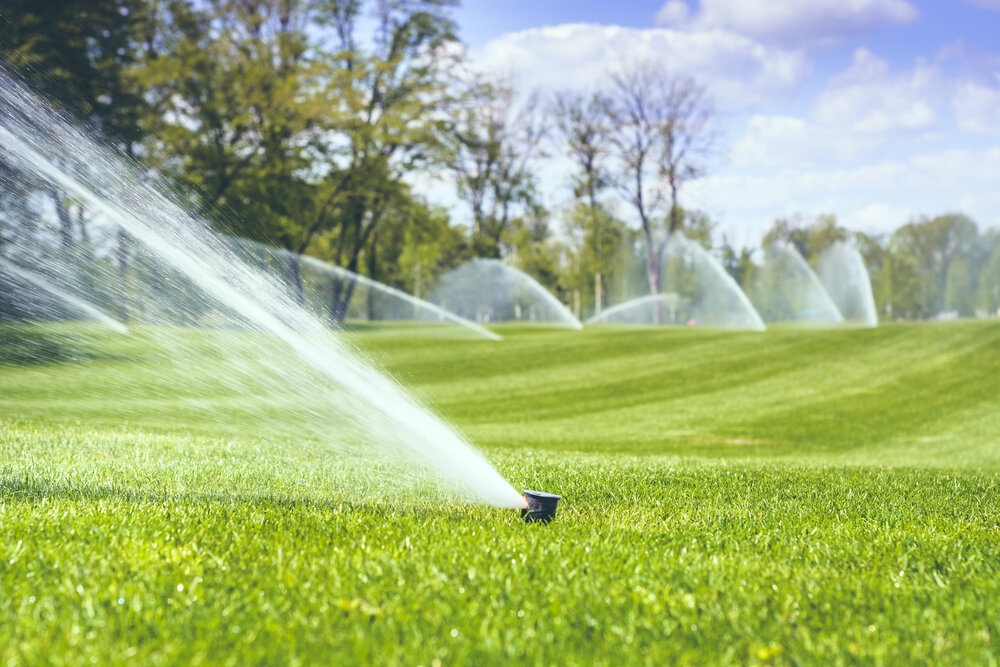
Water conservation is increasingly important for homeowners, not only to protect the environment but also to reduce utility costs. A well-maintained Sprinkler system ensures that water is delivered efficiently to your lawn and plants while minimizing waste. Neglecting sprinkler maintenance can lead to leaks, overspray, and uneven watering—wasting thousands of gallons of water annually.
Below are actionable tips and strategies for maintaining your sprinkler system to prevent water waste.
1. Inspect Your Sprinkler System Regularly
Routine inspections help identify leaks, broken heads, and misaligned nozzles. Look for:
-
Puddles forming near sprinkler heads
-
Water spraying onto sidewalks, driveways, or roads
-
Uneven water coverage or dry patches in the lawn
Early detection prevents water loss and ensures your plants receive consistent hydration.
2. Adjust Sprinkler Heads and Timers
Sprinkler heads that are misaligned can waste water by spraying areas that don’t need irrigation. Proper adjustment ensures:
-
Water is directed to plant and grass areas only
-
Minimization of runoff into streets or sidewalks
-
Efficient use of water based on seasonal requirements
Timers should be set according to local rainfall, temperature, and seasonal needs, preventing overwatering.
3. Fix Leaks Promptly
Even small leaks in pipes, valves, or sprinkler heads can waste hundreds of gallons of water per week. Check for:
-
Wet spots in the yard
-
Low water pressure
-
Constantly running sprinkler valves
Repair leaks immediately to conserve water and reduce your water bill.
4. Replace Worn or Damaged Components
Over time, sprinkler heads, valves, and pipes may degrade. Replacing worn components ensures:
-
Efficient water delivery
-
Prevention of overspray or runoff
-
Reduced water waste and maintenance issues
Consider using modern, water-efficient sprinkler heads that provide uniform coverage.
5. Install Smart Controllers and Sensors
Smart irrigation technology can further reduce water waste:
-
Rain sensors prevent sprinklers from operating during rainfall
-
Soil moisture sensors adjust watering based on actual soil conditions
-
Smart timers adapt schedules based on weather forecasts
These devices optimize watering, saving water and money.
6. Seasonal Maintenance
Spring and fall are ideal times for deeper sprinkler system maintenance:
-
Flush out pipes to remove debris
-
Inspect for winter damage before cold months
-
Adjust spray patterns for seasonal plant growth
Seasonal upkeep extends the life of your system and improves efficiency.
7. Hire Professional Assistance When Needed
While many tasks can be handled by homeowners, professional Sprinkler system services offer:
-
Comprehensive inspections
-
Repairs of hidden leaks
-
Advanced system upgrades
-
Customized irrigation plans
Professional maintenance ensures long-term water efficiency and system reliability.
Conclusion
Proper sprinkler maintenance is essential for conserving water, lowering utility bills, and keeping your lawn healthy. Regular inspections, leak repairs, component replacement, seasonal adjustments, and smart irrigation technology work together to prevent water waste. Partnering with professional Sprinkler systemexperts ensures your irrigation system operates efficiently and sustainably year-round.


Comments
Post a Comment